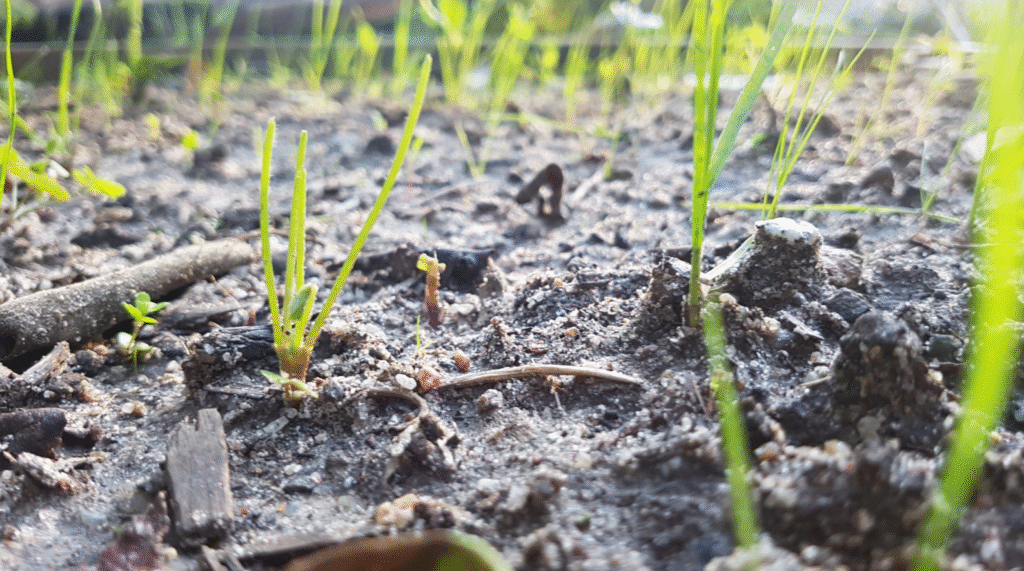
Climate change is no longer a distant threat — it is already reshaping ecosystems, weather patterns, and agricultural landscapes worldwide. For growers, farmers, gardeners, and global food systems, the consequences are becoming more visible with every passing season. From unexpected droughts to intense heatwaves, from pest outbreaks to rising CO₂ levels, the impact of climate change on plants and crops is far-reaching, complex, and deeply alarming.
Today, plants are struggling to adapt to rapidly shifting environmental conditions that once changed over centuries. As a result, crop yields, plant health, and global food security are facing unprecedented challenges. In this detailed guide, we explore how climate change impacts plants and crops, the science behind these effects, real-world examples, and long-term solutions that can help farmers and gardeners prepare for a more unstable future.
What Is Climate Change?
Climate change refers to long-term changes in temperatures, weather patterns, and atmospheric conditions primarily caused by human activities such as burning fossil fuels, deforestation, and industrialization.
These actions increase greenhouse gases (GHGs) such as:
Carbon dioxide (CO₂)

Carbon dioxide (CO₂) is a colorless, odorless gas naturally present in Earth’s atmosphere. It is made up of one carbon atom and two oxygen atoms (CO₂). CO₂ is essential for life because plants use it during photosynthesis to produce food and release oxygen. However, when CO₂ levels rise excessively — mainly due to human activities — it becomes one of the most harmful greenhouse gases responsible for global warming and climate change.
Methane (CH₄)

Methane (CH₄) is a highly potent greenhouse gas that plays a major role in accelerating global warming. Although it is present in the atmosphere in smaller amounts compared to carbon dioxide (CO₂), methane traps significantly more heat, making it one of the most dangerous drivers of climate change.
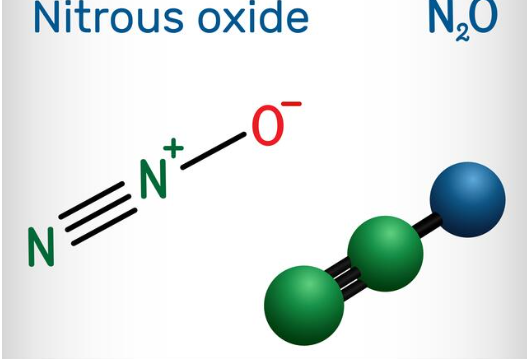
Nitrous oxide (N₂O)
Nitrous oxide (N₂O) is one of the most potent greenhouse gases released into the atmosphere, and although it exists in smaller quantities compared to CO₂, its impact on climate change is far more intense. In agriculture, N₂O plays a significant role because it is heavily linked to soil management, synthetic fertilizers, and livestock manure
These gases trap heat, creating a “greenhouse effect,” which leads to warmer temperatures, unpredictable climatic events, and disruptions in natural ecosystems.
For plants, even a small fluctuation in temperature, rainfall, or humidity can impact growth, flowering, pollination, and crop yield. As these changes become more extreme, their effects become more damaging — and long-lasting.
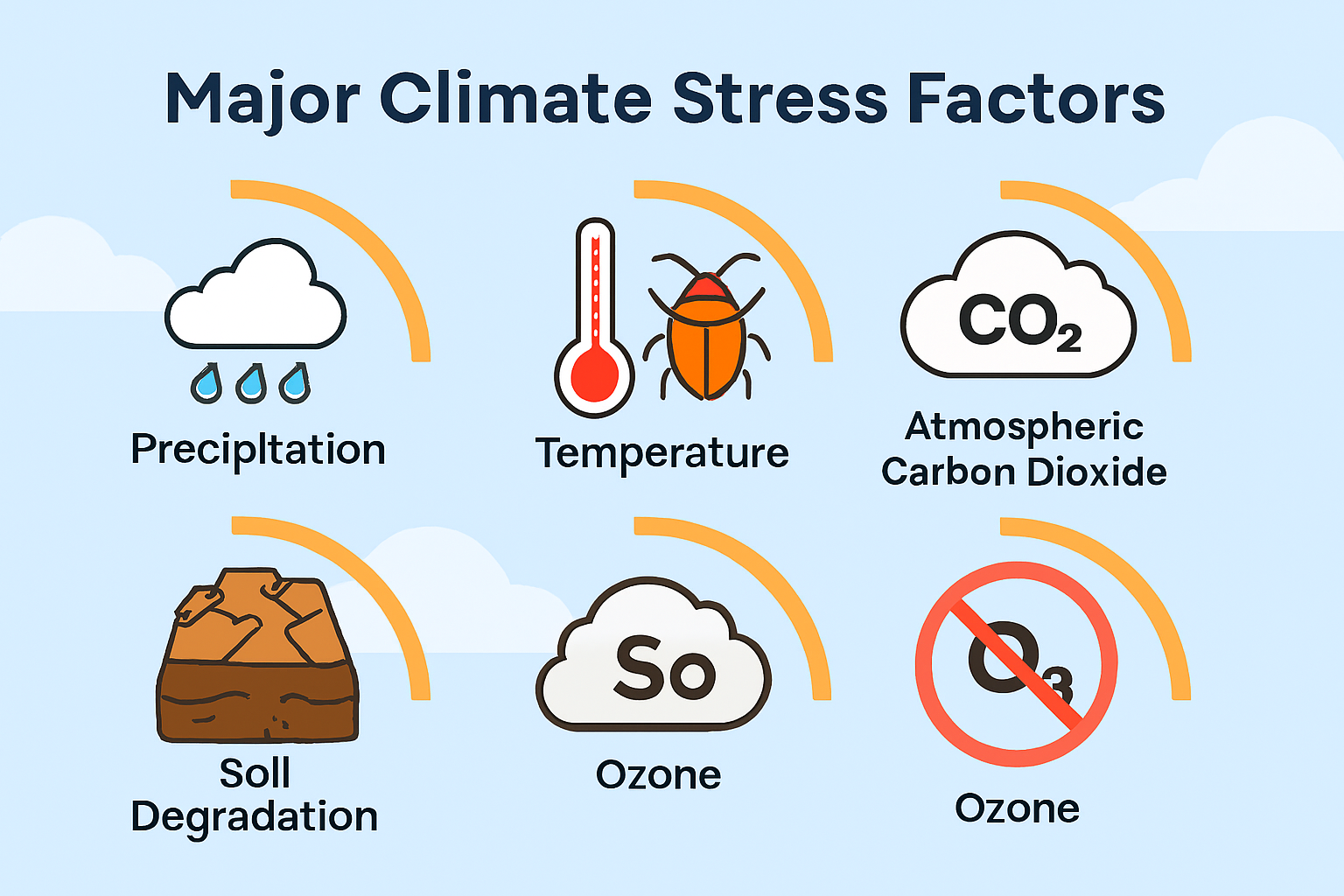
Major Climate Stress Factors
Farmers are coping with several key climate drivers that stress crops:
Higher Heat and Heat Waves:
Hot days and nights are becoming more common. Each crop has an optimum temperature, and exceeding it slows growth. Heat can scorch leaves, dry out soils, and cause blossoms to drop before they can set grain. In cooler regions, a little warming may extend the growing season (allowing, say, a later sowing of wheat).
But in tropical and warmer zones, even a few degrees rise can shrink yields. In fact, tropics are already experiencing yield losses under heat, while high-latitude farms might see small gains.
Irregular Rainfall (Droughts and Floods):
Rain patterns are less reliable. Long dry spells (droughts) leave soil hard and plants thirsty, while intense downpours and floods wash away seedlings and nutrients. For example, studies show continued soil moisture declines mean farmers need much more irrigation – and yields drop if water runs out.
About half the world’s population now lives in areas with water stress in crops, so drought can halt germination and kill crops before harvest. Conversely, too much rain can drown roots and carry away topsoil. Either extreme – drought or flood – disrupts planting schedules and lowers productivity.
Elevated CO₂ Levels:
Higher carbon dioxide can help plants grow (the “CO₂ fertilization effect”) because plants use CO₂ to build sugars. Wheat and rice often see more growth with extra CO₂. However, this comes with a catch: crops grown in high-CO₂ air tend to have lower nutritional quality. For example, wheat grown under ~550 ppm CO₂ had 6–13% less protein and fewer micronutrients in the grain. So fields might look greener, but the food harvested can be less filling or nutritious.
Pests, Diseases and Outbreaks:
Warmer, wetter climates encourage insects and pathogens. Higher temperatures speed up pest life cycles, letting more generations hatch in a season. Research finds that heat fluctuations accelerate pest development and reproduction, enlarging their populations and spread.
Climate change is even bringing “unusual” pests into new areas (increased overwinter survival and range expansion). In short, pest outbreak climate change is a growing threat: farmers report more locust plagues, blight and weedy pressure than before. (Indeed, climate models predict that warming will expand the range of many insects, weeds and diseases.)
Other factors include stronger storms or unseasonal frosts. Any extreme weather can knock crops back. The net effect of all these drivers is that farming now often means farming under climate stress: yields become less reliable, and farmers must manage risks on every field.
How Climate Stress Affects Crops (Seed to Harvest)
Every stage of a crop’s life can be hampered by climate change:
Germination and Young Seedlings:
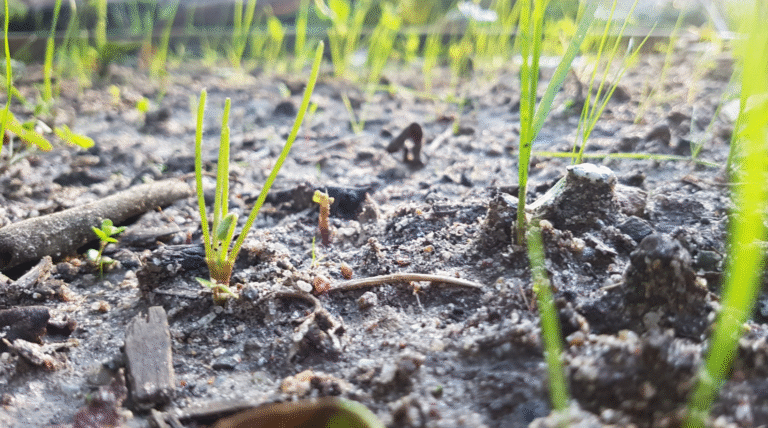
Seeds need stable moisture to sprout. A hot, dry planting season may cause poor germination or uneven stands. Alternately, heavy rains can rot seeds in soil. Newly sprouted plants are delicate – a surprise frost or a week of 40°C heat can kill them outright. For example, a sudden heatwave during corn or tomato seedling growth can stunt roots and leaves, setting the stage for poor yield later.
Vegetative Growth (Leaves, Stems):
In this stage, plants build foliage to capture sunlight. Water stress (drought) makes leaves yellow and reduces leaf area. Extreme heat can cause “leaf burn” where edges dry and curl. For instance, maize (corn) under water stress grows very short, with fewer leaves. On the other hand, more CO₂ and warmth in some cooler regions could boost leafy growth early, but often only up to a point. Too much heat or little water almost always limits how big the plant gets before flowering.
Flowering and Pollination:
This is a critical stage. Crops bloom and rely on pollination or self-pollination to set fruit and seeds. High temperatures or heatwaves right before or during flowering can cause flowers to drop or be sterile. For example, wheat flowers exposed to 3–4 days over 32°C may fail to produce grain. Vegetable and fruit plants similarly lose fruit if a hot spell comes at bloom time. Meanwhile, pollinators (bees, butterflies) are also impacted: warm springs can make plants bloom earlier than bees emergeclimatehubs.usda.gov. Drought means fewer blossoms or less nectar, so even with flowers, fewer pollinator visits occurclimatehubs.usda.gov. The result: poor fruit set and smaller harvests.
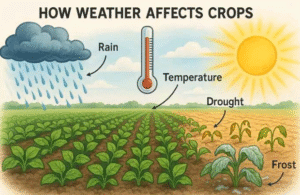
Fruit/Grain Filling (Yield Formation):
After successful flowering, the plant must fill grains or fruits to maturity. Climate stress can shorten or disrupt this phase. For example, high heat speeds up grain filling so that cereals mature before they reach full weight – yielding shriveled grains. In rice paddies, cold nights normally help fill grains, but warmer nights now seen in Asia reduce rice yields.
Drought at this stage pulls moisture from developing grains, leaving them light. Moreover, climate stress often lowers quality: studies report that heat can impair fruit quality (size, sweetness), and elevated CO₂ lowers protein content in rice and wheat. So harvested produce may look smaller, taste blander or store poorly.
Harvest and Post-Harvest Quality:
Harvest time can also suffer. Crops left in the field during unseasonal rains can sprout or rot. Sudden frost after ripening can kill fruits on trees. In storage, grains grown under hot climates may have higher insect or mold problems.
Overall, post-harvest quality often declines under climate change: higher temperatures during drying can reduce seed viability, and nutrient losses in dried crops occur. In one study, rising CO₂ and heat lowered vitamin and protein levels in staple grains by noticeable margins.
Different crops show these effects in various ways. For example, wheat and barley yields are hurting worldwide because hot, dry weather shortens the season. Maize is very sensitive to drought – a few hot days at flowering can trigger total crop failure (hence the observed yield reductions).
Rice needs lots of water; drought in the paddy season slashes yield, while severe floods (as seen in some years) can wipe out rice fields entirely. Many vegetables and fruits (tomatoes, beans, peppers, melons, apples, etc.) drop fruit or bolt to seed when stressed, cutting the harvest and quality. Even legumes and beans need moderate moisture for their pods; in dry years beans are small and incomplete.
Overall, climate change is making fertile fields more fickle. Crops from germination through flowering to harvest face new stresses, and every step of the way can contribute to overall yield loss. Farmers need to know where the weak links are for their specific crops and regions.
Soil Health, Water and Pollinators
Climate change doesn’t just hurt the plants – it strains the whole farm environment:
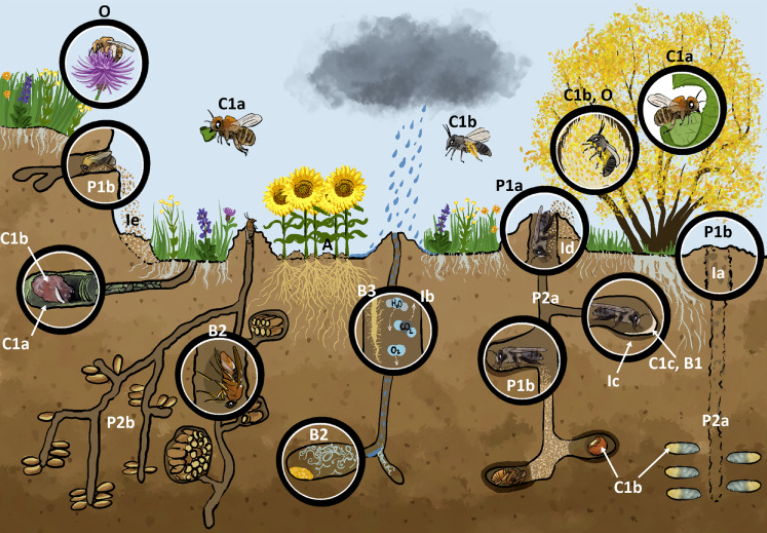
Soil Health and Soil Degradation:
Heavy rains and floods erode topsoil, stripping away nutrients and organic matter. Windstorms pick up exposed dust from parched lands. Over time, this soil degradation means poorer seedbeds. A climate report notes that Mediterranean soils are seeing big moisture declines, while northern soils might be wetter.
For farmers, drying soils mean more tillage or irrigation is needed just to grow the same crop. About a dozen countries already report “desertification” problems caused by recurring droughts. In the image above, you can see how soil becomes cracked and infertile under drought. Healthier soils (with cover crops, organic matter) can resist erosion and hold more water, which is one key way to counter these losses.
Water Use and Irrigation:
Droughts make water scarce, while heavy rains may quickly run off if soils are hard. Farmers are seeing rainfall become a less reliable water source. In many regions the rainy season is shifting or shortening. In practice, this creates water stress in crops whenever rains don’t align with growth needs.
For example, a millet or sorghum planted too early might not get rain until after germination, stunting it. Farmers increasingly rely on irrigation, but that requires infrastructure and costs. Action groups now teach water-smart methods: rainwater harvesting (collecting runoff in ponds), drip irrigation, and trenches or sunken beds around plants that act like mini-reservoirs.
Simple mulching with straw or leaves also conserves soil moisture. Adopting these on-farm can relieve water stress. Without adaptation, declining soil moisture translates directly into smaller harvests.
Pollination and Pollinators:
About 78% of the world’s crop types rely on insect pollination (fruits, vegetables, legumes, nuts) climatehubs.usda.gov. Climate change is already disturbing this service. As mentioned, warmer springs can decouple blooms and pollinator activity.
Droughted flowers produce less nectar and pollen, so bees and butterflies have a harder time feedingclimatehubs.usda.gov. Periods of heavy rain also reduce the hours pollinators can forageclimatehubs.usda.gov. All these factors mean fewer fruits and seeds. In some U.S. regions, heat stress is forcing bees into hives earlierclimatehubs.usda.gov.
For farmers, the bottom line is clear: climate change can lower the number of bees and the success of pollination, which directly means smaller vegetable, fruit and legume yields.
Pest and Disease Patterns:
We already noted pests in the climate factors above, but they deserve emphasis. Warmer winters mean more insects survive to the next season. Each frost-free week can give pests another breeding cycle. For example, a night-time temperature rise was found to contribute twice as much to pest increases as daytime warming in one study.
Pathogens like fungus also respond: humid warmth can trigger rusts or blights. A climate and pest review concluded that pest occurrences have already risen due to climate change. In practical terms, fields may see new weeds or insects that farmers have never managed before, and outbreaks tend to be more severe. This is why integrated pest management and constant scouting are now more important than ever.
Adaptation Strategies for Farmers
Despite these challenges, farmers can take practical, climate-smart steps to protect their livelihoods. Here are proven strategies:
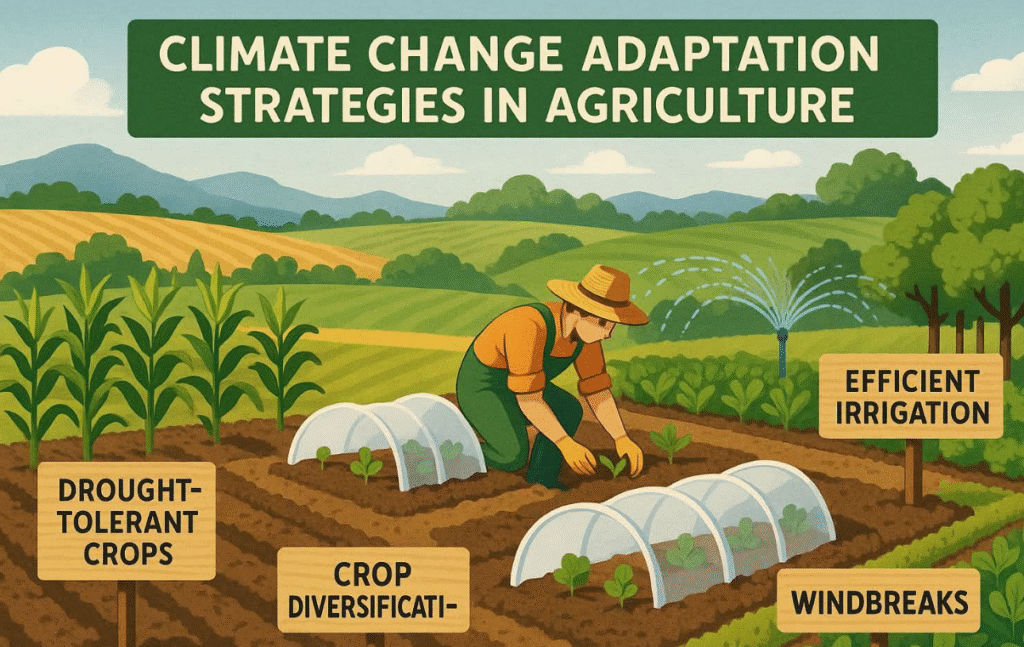
Use Heat- and Drought-Tolerant Varieties:
Plant crop varieties bred or selected for tough conditions. For instance, many seed companies now sell drought-tolerant maize or rice that matures faster with less water. Local research stations may have early-maturing or heat-resistant strains of wheat and barley.
Switching to these varieties can mean a harvest even in a dry year. Diversify seed stocks too: mixing a few different varieties in a field can spread risk. (IPCC experts note that genetic improvements for heat and drought tolerance are a key adaptation.)
Adjust Planting Dates and Crop Mix:
Watch the seasons. If spring comes early, sow early to avoid summer drought. If rains are late, delay planting or choose a short-season crop so it matures before heat peaks. Crop calendar adjustments may take a few seasons of experimentation.
In some regions farmers are already shifting the season – e.g. planting a second short-season maize after wheat harvest. Switching up crop rotation also helps: for example, after a heat-damaged wheat crop, a farmer might plant a legume (fixes nitrogen and uses residual moisture) instead of returning to wheat.
Improve Irrigation and Water Conservation:
Where irrigation is possible, use it wisely. Drip irrigation or micro-sprinklers deliver water to roots with minimal waste. Build simple rainwater ponds to catch runoff. Line canals to prevent seepage.
Critical: mulch the soil. Spreading straw, leaves or grass clippings over the field reduces evaporation and keeps roots cooler. Farmers report that mulching can cut water needs dramatically. Techniques like ridge-and-furrow planting or sunken beds (small basins around plants) are low-tech ways to keep water at the roots. Even shading crops (via shade trees or nets) can reduce evaporation in hot sun.
Boost Soil Health:
Healthy soil is resilient soil. Keep soil covered with cover crops or crop residues to prevent erosion. Add compost or manure to build organic matter, which improves water holding capacity. Reduced tillage (no-till) retains topsoil and moisture.
Over time, this soil conservation approach fights degradation: better soils retain more water and nutrients, supporting crops even under stress. Some farmers plant drought-hardy cover crops (like pigeon pea or cowpea) in the off-season to naturally enrich soil and protect it.
Crop Diversification and Intercropping:
Don’t rely on a single crop. Planting a mix (for example, maize interplanted with beans or cassava) spreads risk: if one crop fails, another might survive. Intercropping can also shade the soil and reduce evaporation. Rotating crops each season breaks pest life cycles.
For instance, if rootworm pests infest corn fields, rotating to soybeans or sorghum the next year starves them. As one aid group points out, switching crops “disrupts pests’ life cycles”. Diverse farms (grain + vegetable + legume) also better support pollinators and natural enemies of pests.
Integrated Pest Management (IPM):
Expect more pests and be ready to act early. Monitor fields for insects and diseases rather than using blanket chemicals. Use natural predators (ladybugs, praying mantises) or biopesticides (neem, botanical oils) when possible. When spraying is needed, target only affected areas.
Rotate pesticides to avoid resistant pests. The goal is to minimize pest damage while keeping soils and beneficial insects healthy. Many extension services now train farmers in climate-aware IPM, since pest outbreaks are linked to warming.
Agroforestry and Windbreaks:
Where feasible, plant trees on the edges of fields. Trees act as windbreaks (reducing wind-driven evaporation and soil erosion) and provide shade or alternate income (fruits, fodder). In hot valleys, planting rows of trees in fields can cut peak soil temperatures.
Agroforestry systems (mixing crops with tree crops or hedges) also improve soil organic matter over time.
Technology and Community Planning:
Use weather forecasts and climate info. Simple SMS or radio alerts can warn of heatwaves or rains, allowing farmers to act (harvest early, prepare irrigation). Tools like free satellite apps or local weather stations help gauge soil moisture. Work with neighbors on shared irrigation schedules and seed banks. Government crop insurance or subsidies for climate-smart gear can also help buffer losses.
Soil Moisture and Conservation Techniques:
Build contour banks or terrace steep fields to capture runoff. On slopes, plant cover crops to hold soil. On flat fields, practice alternate wetting and drying (for rice) to save water. All these small-scale innovations reduce the risk of soil washing away or crops drowning in a cloudburst.
Farmers around the world are already adapting with these methods. In one example, farmers in drought-prone areas adopted deep-rooted cowpea varieties and improved mulch, cutting irrigation needs by over 50% while keeping yields stable. Another community dug small check dams to store winter rain, which supported gardens through summer.
The solutions above – drought varieties, mulching, rotation, IPM and smart irrigation – are often called climate-smart agriculture. They protect yields under stress and can actually improve productivity in the long run.
Supporting Farmers in a Changing Climate
It’s a tough road, but farmers are resilient. By sharing knowledge and resources, entire communities can adapt faster. Extension services, farmer cooperatives and NGOs can provide training on these methods. For instance, workshops on farming under climate stress might teach how to spot early signs of water stress or pest build-up. When a heatwave is forecast, farmers can band together to harvest crops early or save seed.
Climate change agriculture doesn’t have to mean disaster. With thoughtful planning, farmers can still secure their harvests. It means using the science (like drought forecasts and variety trials) along with traditional knowledge (like knowing old drought-resistant landraces of maize or millet). It means treating the soil like precious capital – building it up instead of watching it wash away.
Fundamentally, adaptation is about diversifying: variety diversification, income diversification (maybe adding livestock or agroforestry products), and knowledge diversification. Multiple cropping systems and robust soil are buffers against any single extreme event. And integrated pest management helps ensure that when pests surge, crops can survive without a large yield hit.
In summary, climate change is already reshaping agriculture through higher heat, erratic rain, and shifts in pests and pollination. These changes affect crops at every stage: from germination failures in drought to shriveled grains under heat. Crops like wheat, maize, rice, vegetables and fruits have all shown yield losses and quality declines in recent decades.
Soil degradation and water stress are making each season harder. But farmers are not helpless. By adopting smart strategies – drought-tolerant seeds, better irrigation, mulching, adjusted planting times, crop rotation, and pest management – they can cut losses and even improve resilience.